








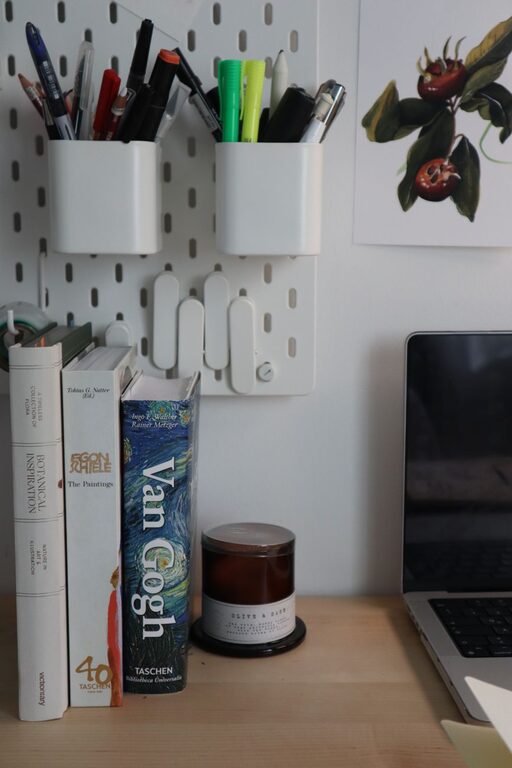
Reducing paper clutter in your home can feel like a daunting task, but with some straightforward strategies, you can create a tidier, more organized living space. Paper buildup—from mail, receipts, schoolwork, to manuals—tends to accumulate quickly, making it hard to find what you need and creating unnecessary stress. This post offers simple, actionable ways to manage and reduce household paper clutter, helping you maintain a calm and efficient environment.
Why Reduce Paper Clutter?
Before diving into solutions, it’s important to understand why reducing paper clutter matters:
– Improves organization: Fewer papers mean less mess and quicker access to important documents.
– Saves time: Spend less time sorting through piles and more time on what matters.
– Reduces stress: A cleaner environment often boosts your mood and decreases anxiety.
– Protects important info: Avoid losing essential documents or important receipts.
1. Set Up a Mail Station
One of the biggest sources of paper clutter is mail. Create a dedicated spot near your home’s entrance to handle it:
– Use a tray or basket labeled “In” to collect all incoming mail.
– Sort mail daily or every couple of days into categories such as bills, junk, action required, and file.
– Immediately recycle junk mail and flyers you don’t need.
– Open and deal with important mail promptly to prevent pileups.
2. Embrace Digital Alternatives
Going paperless reduces the amount of physical clutter significantly:
– Sign up for electronic billing and statements from banks, utility companies, and service providers.
– Use apps or cloud storage to scan and save documents instead of printing.
– Consider digital note-taking apps to replace paper notebooks and sticky notes.
3. Create a Filing System
Keeping important papers organized is easier with a simple filing system:
– Use a small file box or portable filing cabinet.
– Categorize papers with clear, labeled folders, such as “Bills,” “Medical,” “Receipts,” “Tax Documents,” and “Warranty & Manuals.”
– File documents as soon as you receive or process them.
– Once a year, review files and shred anything outdated or no longer needed.
4. Limit Paper in Your Daily Life
Changing daily habits can prevent clutter from building up:
– Avoid printing emails or documents unless absolutely necessary.
– When reading recipes, manuals, or articles, use digital devices or bookmark the pages instead of printing.
– Encourage family members to do the same and handle their papers in the shared system.
5. Manage Kids’ Paperwork Creatively
Children often bring home drawings, schoolwork, and notices that can quickly take over space:
– Designate a bulletin board or wall space to display rotating artwork.
– Use an accordion folder or box to store papers you want to keep.
– Take photos of artwork or projects and create a digital album before recycling the originals.
– Regularly sit with your child to decide which papers to save or toss.
6. Shred Sensitive Documents Immediately
Paper clutter isn’t just unsightly—unshredded sensitive documents can be a security risk:
– Keep a shredder handy for junk mail with personal info, old bank documents, or anything with confidential data.
– Shred papers as soon as you no longer need them to avoid piles developing.
7. Use Paper Organizers and Trays
Physical organizers help contain paper and make your space look neater:
– Desk trays with sections for “To Do,” “To File,” and “Completed” can help prioritize paperwork.
– Magazine holders or vertical file organizers are great for managing catalogs, magazines, or brochures.
– Place organizers in convenient locations where you handle mail or paperwork.
8. Regularly Declutter and Review
Consistency is key to keeping paper clutter under control:
– Schedule monthly or quarterly decluttering sessions.
– Reassess your filing system if it becomes overloaded or hard to maintain.
– Keep only what you need and remember to recycle, shred, or scan.
Conclusion
Reducing household paper clutter doesn’t require extreme measures or major investments. With a few simple habits—setting up a mail station, going digital, creating a filing system, and maintaining regular decluttering—you can reclaim your space and enjoy a tidier home. Start small, stay consistent, and soon your paper piles will no longer feel overwhelming.