






Reducing food waste at home is a practical way to save money, reduce environmental impact, and make better use of the food you buy. Millions of pounds of food are wasted every year, but with some simple habits and planning, you can make a big difference right in your kitchen. Here’s a comprehensive guide to help you minimize food waste and get the most out of every meal.
Why Reducing Food Waste Matters
Food waste contributes to significant environmental problems. When food is thrown away, the resources used to produce it—such as water, energy, and labor—are wasted too. Additionally, food that goes to landfills produces methane, a potent greenhouse gas. By reducing food waste, you help conserve resources, lower your carbon footprint, and support a more sustainable food system.
Plan Your Meals Thoughtfully
Make a Weekly Meal Plan
Before shopping, plan your meals for the week. Consider your schedule and how many people you’ll be feeding. This avoids buying excess food that might go unused.
Create a Detailed Shopping List
Based on your meal plan, write a precise shopping list. Stick to it to prevent impulse buys that may lead to spoilage.
Smart Shopping Tips
Buy Only What You Need
Avoid bulk purchases of perishable items unless you are certain they will be consumed in time. Sometimes smaller quantities can actually reduce waste.
Check Expiration Dates
Choose products with the longest shelf life first, especially if you don’t plan to consume them immediately.
Use Frozen and Canned Options
Frozen fruits and vegetables last longer than fresh ones and can be a convenient way to reduce waste while maintaining nutrition.
Store Food Properly
Understand Your Refrigerator
Keep your fridge temperature between 35°F and 38°F to slow spoilage. Use airtight containers and sealed bags to maintain freshness.
Use Clear Containers
Storing food in transparent containers helps you see what you have, reducing the chance that items get forgotten and go bad.
Separate Fruits and Vegetables
Some fruits emit ethylene gas, which speeds up ripening. Keep ethylene-producing fruits separate from vegetables to extend freshness.
Use Leftovers Creatively
Repurpose Leftovers
Transform leftovers into new meals such as soups, casseroles, or stir-fries. This keeps your menu interesting and reduces waste.
Freeze Extra Portions
If you can’t eat leftovers within a couple of days, freeze them for later use. Label packages with dates for easy tracking.
Share with Neighbors or Friends
If you have surplus food you won’t use, consider sharing it. This builds community and ensures food is enjoyed rather than discarded.
Embrace Preservation Techniques
Freeze Fresh Produce
Many fruits and vegetables freeze well and can be used later in smoothies, baking, or cooking.
Can or Pickle Excess Produce
Preserving food by canning or pickling extends its shelf life and reduces waste.
Dry Herbs and Citrus Peels
Drying is a great way to save herbs and citrus peels for seasoning and flavoring dishes.
Practice Portion Control
Serve Smaller Portions
Serving smaller amounts helps prevent uneaten food on plates. People can always take more if hungry.
Use Measuring Tools
Use measuring cups or scales when cooking to avoid making too much food.
Mind the "Use By" and "Best Before" Dates
Understand Date Labels
“Use by” dates indicate safety, while “best before” suggests quality. Food can often be eaten safely after “best before” dates if properly stored.
Trust Your Senses
Look at, smell, and taste food before discarding it. Sometimes food is perfectly fine even if the date has passed.
Compost What You Can’t Eat
Start a Compost Bin
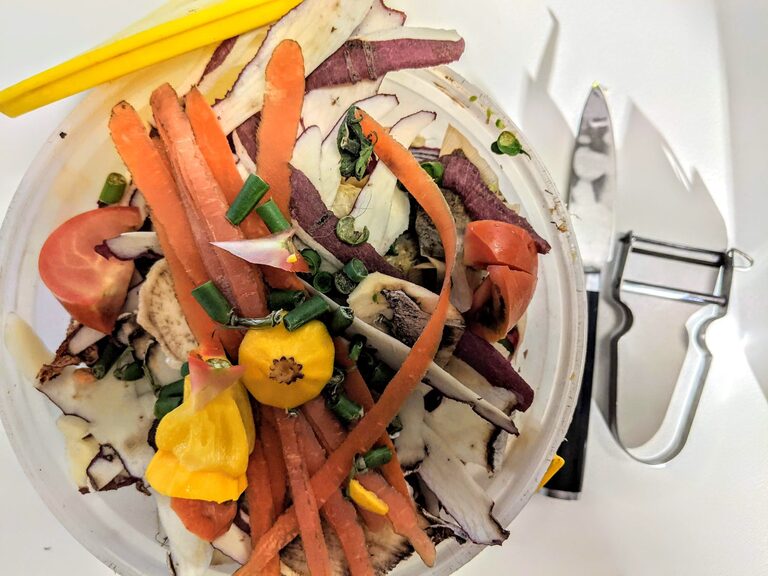
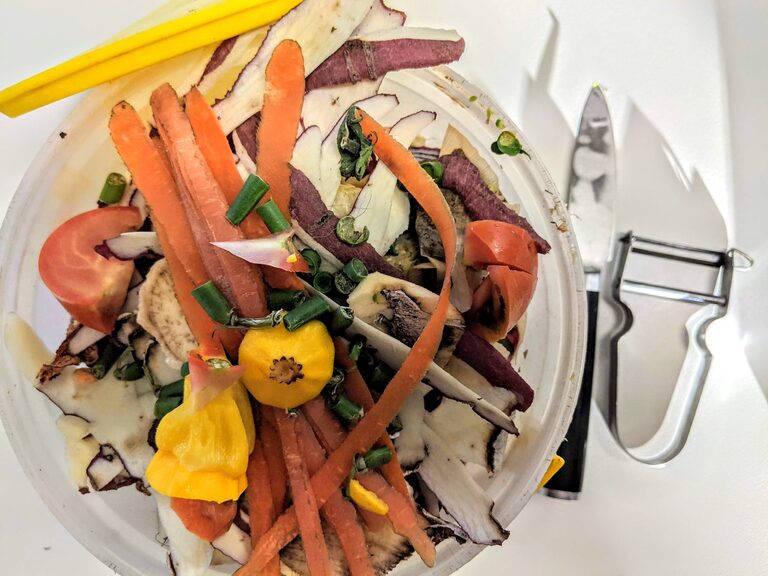
Composting food scraps and peels turns waste into nutrient-rich soil, reducing landfill contributions.
Use Community Composting Programs
If you can’t compost at home, check for local composting services or community gardens that accept organic waste.
Educate Your Household
Involve Everyone
Make food waste reduction a shared goal with your family or roommates. Encourage everyone to participate in planning, shopping, and cooking.
Teach Kids About Waste
Helping children understand the value of food early on encourages lifelong habits of conservation.
Conclusion
Reducing food waste at home doesn’t require drastic changes. By planning ahead, storing food properly, using leftovers creatively, and being mindful of portions and expiration dates, you can significantly cut down on waste. These small steps not only save you money but also contribute to a healthier planet. Start today with one or two changes, and build on your progress over time for a more sustainable kitchen and lifestyle.