







Reducing food waste at home is a win-win situation: it saves money, conserves resources, and helps protect the environment. Every year, millions of tons of food are discarded unnecessarily, much of it from households. By adopting some straightforward habits and adjustments in your daily routine, you can make a significant difference. Here are some practical ways to reduce food waste in your home.
Understand the Impact of Food Waste
Before diving into tips, it’s useful to know why reducing food waste matters. Food production consumes water, energy, and land resources, and when food is wasted, these resources are wasted too. Additionally, decomposing food in landfills produces methane, a potent greenhouse gas. Minimizing food waste helps cut down on these effects.
Smart Meal Planning
Make a Weekly Meal Plan
Planning meals ahead lets you buy only what you need. Review your calendar and decide what to cook each day. This approach reduces impulse buys and over-purchasing.
Create a Detailed Shopping List
After meal planning, write a shopping list based on ingredients you need. Stick to the list to avoid unnecessary purchases that might go unused.
Proper Food Storage
Know the Right Storage Methods
Different foods require different storage conditions to stay fresh longer. For example, leafy greens last longer if washed, dried thoroughly, and stored in airtight containers with paper towels to absorb moisture.
Use Clear Containers
Store leftovers and fresh foods in clear containers. This visibility reminds you what you have and encourages you to use items before they spoil.
Label and Date Items
Labeling containers with the date helps keep track of freshness, so you use older items first.
Use Leftovers Creatively
Reinvent Leftovers
Transform leftovers into new meals instead of throwing them out. For example, roast vegetables can become soup, and stale bread can be made into croutons or bread pudding.
Share or Freeze Extras
If you cook too much, share with friends or family or freeze portions for later. Freezing slows down spoilage and extends usability.
Manage Perishables Wisely
FIFO Method (First In, First Out)
Arrange your pantry and fridge so older items are in front and used first. This prevents food from being forgotten and expiring.
Monitor Expiration Dates
Regularly check expiration dates and plan to use items before they expire.
Buy in Appropriate Quantities
Avoid Bulk Unless You Can Use It
Buying in bulk can be economical but only if you consume the items in time. Otherwise, it leads to spoilage.
Choose Loose Produce
Buying loose fruits and vegetables lets you pick the exact amount you need rather than being stuck with pre-packaged quantities.
Composting Food Scraps
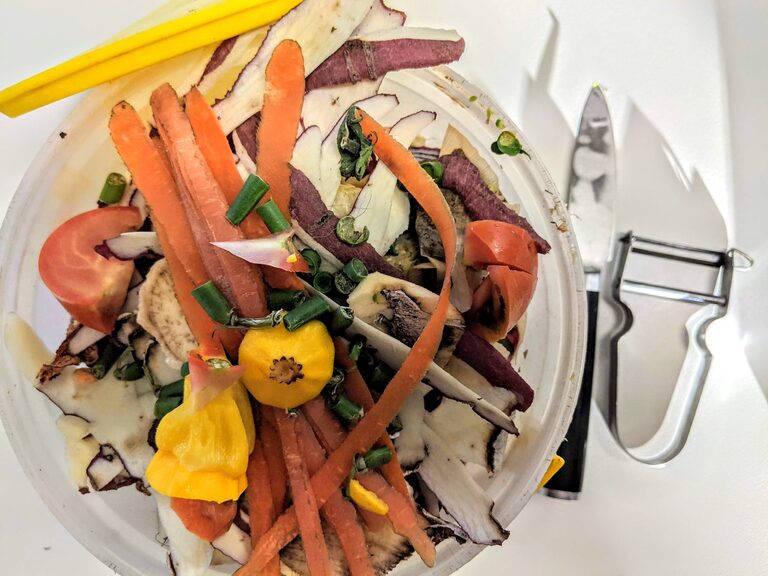
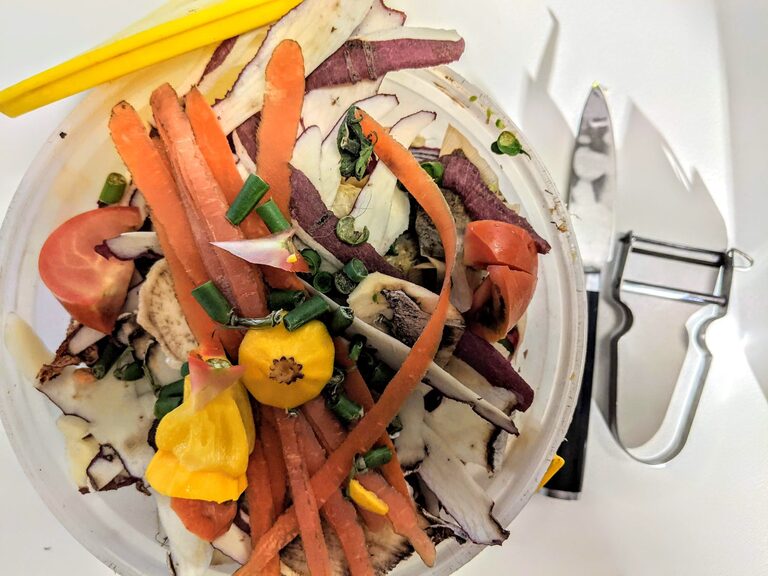
Even with the best efforts, some food scraps are unavoidable. Composting provides an environmentally friendly way to dispose of these scraps while producing nutrient-rich soil for your garden.
Start a Simple Compost Bin
You can compost fruit peels, vegetable scraps, coffee grounds, and eggshells at home. Many communities also offer green waste collection services.
Educate and Involve the Household
Reducing food waste is easier when everyone participates.
Communicate with Family Members
Discuss your goals and encourage mindful consumption habits like serving smaller portions and finishing leftovers.
Teach Children About Food Waste
Helping kids understand where food comes from and its value builds lifelong habits.
Additional Tips for Waste Reduction
– Freeze surplus fresh herbs: Freeze chopped herbs in ice cube trays with olive oil for easy use later.
– Dry herbs and bread: Dry herbs for seasoning or stale bread for breadcrumbs.
– Use vegetable scraps for broth: Save peeling and trimming scraps in the freezer to make homemade broth.
Final Thoughts
Reducing food waste at home doesn’t require drastic changes. Small, consistent adjustments in shopping, cooking, and storage habits add up to significant savings and environmental benefits. Starting with meal planning, proper storage, and creative use of leftovers can make your kitchen much more efficient and eco-friendly. Take one step at a time, and you’ll notice a positive impact on both your wallet and the planet.